Creating a Hedgehog-Friendly British Garden: A Comprehensive Guide
11/27/20252 min read
Attracting Hedgehogs to Your Garden: A Practical Beginner’s Guide
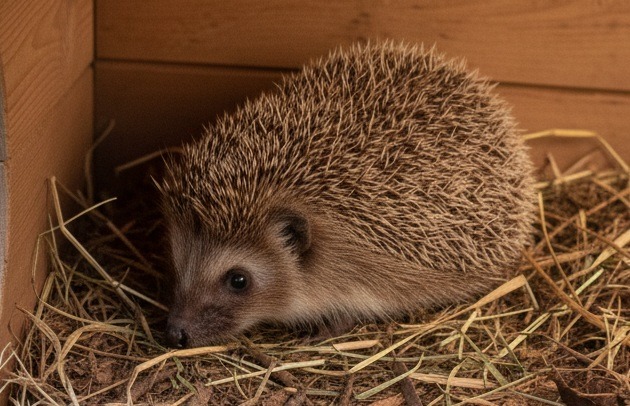
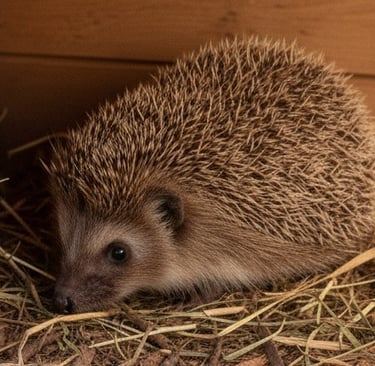
Hedgehogs are one of the most iconic visitors to British gardens — and one of the most helpful. As natural pest controllers, they eat slugs, beetles, caterpillars and other insects that commonly damage plants. By creating a hedgehog-friendly garden, you support these declining mammals while naturally improving your garden’s health.
Hedgehogs thrive in gardens that offer safe shelter, hidden pathways, and plenty of natural food sources. Dense vegetation, leaf piles, log stacks, and wildflower patches are ideal habitats. These features help hedgehogs forage comfortably at night while avoiding predators and road hazards.
Sadly, hedgehog numbers continue to fall across the UK due to habitat loss, pesticides, and fragmented green spaces. By making small changes at home — and using modern tools such as hedgehog houses with cameras — you can transform your garden into a safe, welcoming habitat that supports local wildlife.
Building Safe Shelters and Nesting Areas
The most effective way to encourage hedgehogs into your garden is to offer a secure nesting site. A well-designed hedgehog house provides essential protection from predators and harsh weather, especially during hibernation.
Look for houses made from sturdy, untreated wood, with a narrow entrance tunnel (around 12cm) to deter foxes and cats. Place the house in a quiet, shaded corner of the garden — ideally tucked under hedges or shrubs — and face the entrance away from the wind. Surrounding the area with leaves or natural debris helps hedgehogs feel even more at home.
If you prefer not to build your own, purpose-made shelters such as the PeekWild Solar Hedgehog House with Camera provide a safe, insulated home that allows you to monitor hedgehog activity without disturbance.
Providing Food and Water Sources
Hedgehogs are primarily insectivores, but natural food can become scarce during dry spells or early spring. Supplementing their diet responsibly can make a big difference.
Good options include:
Specialist hedgehog food
High-protein dry cat food (no fish varieties)
Mealworms in moderation
Cooked plain chicken
Avoid giving milk, bread, or processed food — these cause digestive issues.
Place food in a shallow dish under a shelter or feeding station to prevent foxes and cats from stealing it. Always provide fresh water in a shallow bowl, especially during warm months.
Monitoring Hedgehog Activity with Solar Wildlife Cameras
Adding a solar-powered wildlife camera is one of the most rewarding ways to observe hedgehog behaviour without disturbing them. Cameras placed inside hedgehog houses or along garden pathways allow you to capture:
Nocturnal activity
Foraging patterns
Nesting behaviour
Seasonal changes
This helps you understand how hedgehogs use your garden — and where you can improve hazards, access routes, or feeding areas.
PeekWild’s wildlife cameras use motion detection, night vision, and Wi-Fi app connectivity, allowing you to watch hedgehog visits live from your phone. It’s an engaging and educational experience for families and a powerful tool for supporting local wildlife.
Helping Hedgehogs Thrive in Your Garden
Creating a hedgehog-friendly garden is one of the most impactful ways to support British wildlife. With a safe shelter, reliable food and water, and smart technology to observe their wellbeing, your garden can become an essential refuge for these much-loved animals.
If you’d like to get started, explore PeekWild’s collection of smart hedgehog houses and solar wildlife cameras designed to bring nature closer to your home.